
Fruit Flapjack Recipe with Apricots and Raisins
By Michael
The secret to a fruit flapjack with juicy fruit and clean golden edges is to soak the dried fruit before it meets the oats. Raisins, chopped apricots and cranberries plump up in warm water for 10 minutes, are drained well, then stirred through a classic golden syrup mixture so they stay moist instead of scorching in the oven.
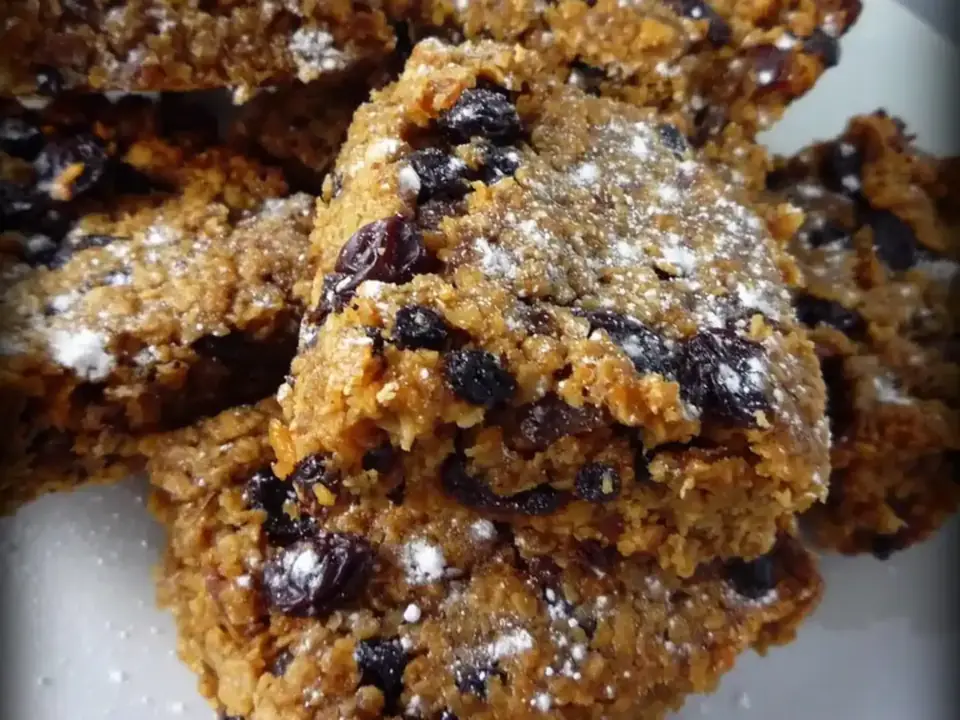
The fruit flapjack recipe
- Prep: 20 min
- Cook: 35 min
- Total: 55 min
- Makes: 12 bars
Oven: 160°C (140°C fan, Gas Mark 3). Tin: 20cm square, lined with baking paper. The total time covers preparation and baking; cool the slab in the tin before cutting.
Draft recipe: worked out from cross-checked published recipes and not yet kitchen-tested by us. Times are a guide — use the cues in each step.
Ingredients
Method, step by step
Heat the oven and line the tin. Heat the oven to 160°C (140°C fan, Gas Mark 3). Line a 20cm square tin with baking paper, leaving some paper overhanging two opposite sides so the cooled slab can be lifted out cleanly. Put the middle shelf in position before the oven heats.
Soak the dried fruit. Put the raisins, chopped apricots and cranberries in a heatproof bowl and cover with warm water. Leave for 10 minutes. The fruit absorbs a little water, softens and becomes less vulnerable to the dry heat at the edges of the tin. Warm tea can be used instead of water if you like its flavour with the fruit.
Melt the butter, syrup and sugar. While the fruit soaks, put the butter, golden syrup and light brown sugar in a large saucepan. Warm over a low heat, stirring, until the butter melts and the mixture is smooth. Do not let it boil. Boiling can make the finished bars hard and gives exposed fruit sugars even less protection once the slab is in the oven.
Drain the fruit very well. Drain the soaked fruit in a sieve and shake off as much water as you can. Spread it briefly on kitchen paper if it still looks wet. This step is essential: soaking should plump the fruit, not add a puddle to the oat mixture. Excess water can make the centre loose and delay setting.
Stir in the oats, fruit and orange zest. Take the pan off the heat. Add the porridge oats, drained fruit, orange zest and salt. Stir until the oats are glossy and coated and the fruit is distributed rather than gathered in one patch. Break up any apricot pieces that have stuck together. Look through the mixture for dry oats, especially at the bottom of the pan.
Press the mixture into the tin. Tip the mixture into the lined tin and spread it evenly into the corners. Press down firmly with the back of a spoon, a spatula or the base of a glass. Firm pressure matters even more in a fruit flapjack because pieces of fruit interrupt the oat layer. Pack around them rather than simply flattening the highest pieces.
Bake until golden at the edges. Bake for 30–35 minutes, until the edges are golden and the centre looks set but not dark. Check any fruit sitting on the surface: it should look deepened in colour, not blackened or shrivelled. If the top is colouring too quickly while the middle still looks loose, the oven shelf or temperature may be too fierce for the fruit; note that for the next batch and use the lower end of the time range only if the slab has set.
Cool in the tin. Leave the slab to cool in the tin on a wire rack. Fruit flapjack needs this setting time just as much as the classic version. The fruit releases a little moisture as the slab cools, and the syrup mixture firms around it. Cutting while hot can pull pieces of fruit out of the bars and leave ragged edges.
Lift out and cut into bars. Lift the cooled slab out using the paper. Cut into 12 bars with a large knife, pressing straight down. Pieces of apricot can catch on the blade, so wipe the knife if it begins to drag. Expect a varied, jewel-like cut surface: that is the character of this version, not a fault.
Why soaking the fruit works
Dried fruit is concentrated. Its sugars are close to the surface, and small pieces at the top or corners of a flapjack receive direct oven heat for the whole bake. A dry raisin can therefore move from chewy to bitter and burnt while the oats around it are only just golden. Soaking gives each piece a small reserve of moisture. It also softens firmer fruits such as apricots, making them easier to distribute and cut.
The important second half is draining. Some recipes treat soaking as an optional softness trick and forget that the water has to go somewhere. If wet fruit goes straight into the pan, the extra liquid dilutes the syrup coating and can leave the centre unset. Ten minutes is enough for the fruits used here. Longer soaking is not automatically better, particularly for cranberries, which can become very soft and lose definition. Soak, drain, shake and, if necessary, blot. The fruit should feel plump and tacky, not dripping.
Choosing dried fruit for flapjacks
The 200g total in this recipe is a useful working ratio for 300g oats. It is enough fruit for every bite to contain some without overwhelming the syrup mixture that holds the bars together. You can change the mixture, but keep the overall weight close and chop large pieces to roughly raisin size. Whole dried apricots, large dates or broad apple rings create pockets where oats cannot pack, and those pockets become weak points when the slab is cut.
| Dried fruit | Sweetness and flavour | Chew | Burn risk | Soak? |
|---|---|---|---|---|
| Raisins | Sweet, familiar and rounded | Soft and chewy | High if dry and exposed | Yes, 10 minutes |
| Sultanas | Sweet and lighter in flavour than raisins | Plump and tender | High at the edges | Yes, 10 minutes |
| Dried apricots, chopped | Tangy as well as sweet | Firm chew | Medium | Yes, especially if dry |
| Dried cranberries | Sharp and bright | Small, soft chew | Medium | Yes, but drain well |
| Chopped dates | Deep, caramel-like sweetness | Soft and sticky | Medium | Brief soak if very dry |
| Dried cherries | Sweet-tart and distinct | Plump chew | Medium | Yes, 10 minutes |
| Mixed peel | Bitter orange and lemon notes | Small, firm pieces | Low to medium | Usually no need |
| Dried apple, chopped | Mild and gently sweet | Soft, sometimes spongy | Low | Yes, and chop small |
Very sweet fruit does not mean the sugar in the base can simply be removed without consequence. Sugar is doing structural work here: with the butter and golden syrup, it coats the oats and sets the slab. Reducing it changes tenderness and binding as well as sweetness. If you want a lower-sugar direction, the healthy flapjack recipe is built around a different sweetening system rather than pretending the classic can lose a main ingredient and behave identically.
Soaking: when it matters and when it does not
Soaking matters most when the fruit is dry, small pieces will sit near the surface, or the bake is long enough for exposed edges to scorch. Raisins and sultanas benefit almost every time. Apricots benefit when they are leathery; very soft, ready-to-eat apricots still gain from a short soak in this recipe because they are mixed throughout a relatively long bake. Dates vary widely: sticky chopped dates may only need separating, while dry dates become easier to mix after a brief soak.
It matters less for tiny amounts of mixed peel or for fruit that will be completely buried in the middle of a thicker bar. Even then, there is little downside if you drain properly. The rule is simple: plump fruit, dry surface. Do not use boiling water for the full soak unless the fruit is exceptionally hard; very hot water can split skins and turn small fruits mushy. Warm water or warm tea is enough. Tea adds a gentle background flavour that suits raisins and apricots, while water keeps the orange zest clearer.
Can you use fresh fruit instead?
Fresh fruit behaves differently because it carries far more water. Apple is the most workable fresh option when it is prepared so its moisture does not flood the oats; it belongs in a version designed around apple rather than as a direct replacement for all the dried fruit here. Soft berries are mostly disappointing in a baked flapjack of this thickness: they burst, leak juice into patches of oats and can leave those patches soggy while their skins catch at the surface. Banana also changes the structure completely, softening and binding the mixture; that is why it has its own banana flapjack recipe rather than being treated as a fruit-for-fruit swap.
If you only have fresh fruit, serve it alongside the baked bars or use it in a recipe written for it. Dried fruit gives this page its keeping quality and concentrated flavour. The contrast is useful: oats provide the body, syrup provides the set and dried fruit provides small, intense bites. Adding a wet ingredient without changing the rest disturbs all three parts.
Fruit, nuts and school rules
This recipe contains no nuts, but that alone does not settle whether a bar is suitable for a particular school, club or household. Rules differ, ingredients change and other foods in the same kitchen matter. Check the requirements where the bars will be eaten and read the labels of the exact dried fruit and oats you buy, especially if a product was packed in a facility that also handles nuts. Do not rely on a generic description when someone else's allergy is involved.
For ordinary family baking, fruit and nut versions can be excellent, but nuts change both texture and cutting. If you add them, replace part of the dried fruit rather than piling extra dry ingredients on top, and chop nuts small enough to distribute evenly. The variations hub includes a fruit and nut section with the ratio in mind. For children, also consider the size and firmness of the bar: a thin, well-set bar is easier to portion than a very thick, sticky one, and sharp cranberries may be more welcome than another very sweet fruit.
Keeping fruit flapjacks
Fruit flapjacks keep for 5 days in an airtight container at room temperature, provided they were cool before the lid went on. They do not need the fridge. In fact, refrigeration can make the oat base feel firmer; if you have chilled a bar, let it stand at room temperature before eating. Separate layers with baking paper if the fruit makes the tops tacky.
They stale a little faster than the classic flapjack because the cut fruit and oats exchange moisture as they sit: fruit can become firmer while the edges of the bars dry. An airtight tin slows the change. Keep them away from heat and sunlight, and do not store them while warm, which traps steam. If you plan to bake for later in the week, cut only what you need on the first day if practical; an uncut portion has fewer exposed edges. For more ways to change the classic while keeping the structure sound, browse the flapjack variations hub.
Questions people ask
Dry raisins exposed at the top or edges can scorch before the oats are ready. Soak them for 10 minutes, drain them well and press some surface fruit into the mixture rather than leaving many pieces sitting on top.
For 300g oats, about 200g dried fruit gives a fruity bar that still holds together. Much more can interrupt the oat layer and leave too little syrup mixture coating everything, making the slab weaker and harder to cut.
Apple can work in a flapjack designed for fresh apple, but it is not a straight replacement for the dried fruit in this recipe. Fresh apple brings much more water and changes the set, so use a version that accounts for that moisture.
No. Store them in an airtight container at room temperature and eat within 5 days. Make sure they are completely cool before closing the container so steam does not make the tops damp.
Not in this recipe without changing the result. The sugar works with the butter and golden syrup to coat and bind the oats. Removing it makes the slab less reliable, even though the fruit itself is sweet.
Raisins, sultanas and finely chopped apricots are usually the easiest starting point because their flavour is familiar and they cut cleanly. Check the rules of the school or group first, and choose a bar thickness and firmness the child can manage.