Banana Flapjack Recipe with Cinnamon
By Michael
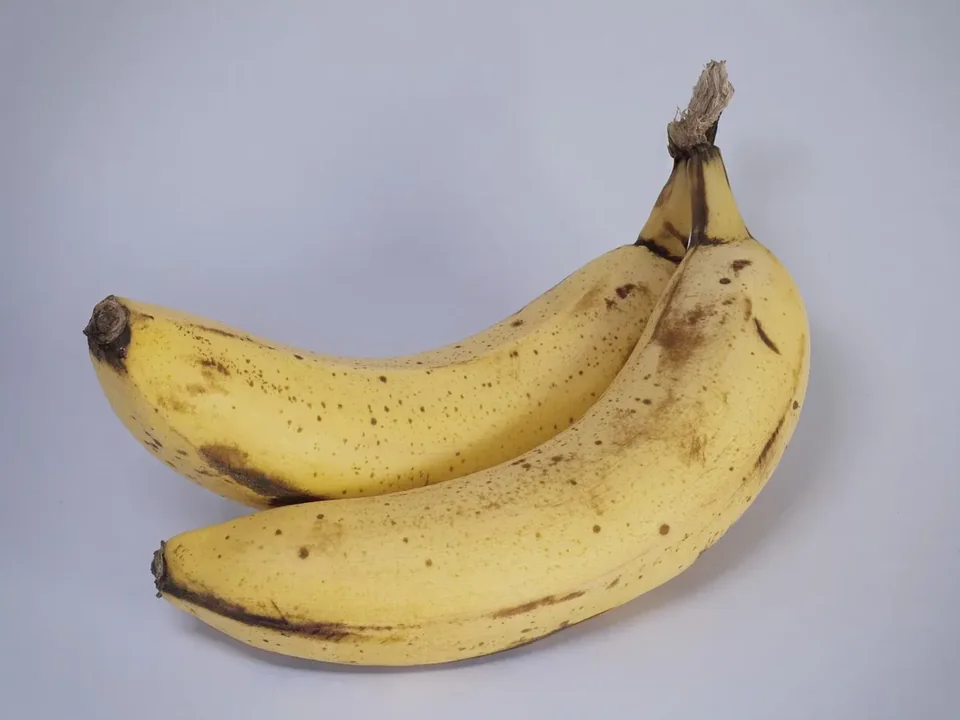
Three ripe bananas, the blacker the better, are the whole point of this recipe. They sweeten and bind the bars, so the added sugar drops to half the classic amount, and the result is a softer, chewier bar with a clear banana flavour and a little cinnamon warmth. If your fruit bowl is holding bananas nobody will eat, this is what they are for.
The banana flapjack recipe
- Prep: 10 min
- Cook: 25 min
- Total: 35 min
- Makes: 12 bars
Oven: 170°C (150°C fan) / Gas Mark 3. You need a 20cm square tin, lined with baking paper.
Draft recipe: worked out from cross-checked published recipes and not yet kitchen-tested by us. Times are a guide — use the cues in each step.
Ingredients
Method, step by step
Heat the oven and line the tin. Heat the oven to 170°C (150°C fan / Gas Mark 3). Line a 20cm square tin with baking paper, leaving some overhanging two sides so the slab lifts out cleanly.
Mash the bananas. Peel the bananas and mash them in a bowl with a fork until you have a thick purée with a few small lumps. Truly ripe bananas nearly mash themselves. If yours are still firm and pale, see the ripeness section below before you go any further — underripe bananas are the main reason these bars disappoint.
Melt the butter, sugar and syrup. Put the butter or coconut oil, sugar and syrup or honey in a large pan over a low heat. Stir until everything has melted together and the sugar has dissolved. Keep it gentle and do not let it boil — the same rule as every flapjack on this site, because boiled sugar means hard bars.
Stir in the banana and cinnamon. Take the pan off the heat and stir in the mashed banana, the cinnamon and the salt. The mixture will look looser and paler than a classic flapjack mix, and it may separate a little around the edges. Both are normal — banana is mostly water, and the oats are about to drink it up.
Add the oats and rest the mixture. Stir in the oats until every oat is coated. Then leave the mixture in the pan for 5 minutes before pressing it into the tin. This rest matters more here than in the classic recipe: banana brings extra moisture, and giving the oats time to absorb some of it is the difference between bars that set and bars that stay soggy.
Press into the tin. Tip the mixture into the lined tin, spread it into the corners and press it down firmly and evenly with the back of a spoon or the base of a glass. A level surface bakes evenly; a domed one gives you dry edges and a raw middle.
Bake for 25 minutes. Bake for 25 minutes, until the edges are deep golden and the surface looks set and mostly dry, with no wet sheen in the centre. The middle will still feel soft — that is right for these bars — but it should not look liquid. If it does, give it 3 to 5 more minutes and check again.
Cool completely, then cut. Cool the slab in the tin for at least 40 minutes. Banana flapjacks firm up more slowly than classic ones, and cutting them warm is a reliable way to get a tray of soft rubble. Score the lines after 10 minutes if you like, but cut through only once the slab is cool and set. Lift out with the paper and cut into 12 bars.
How ripe is ripe enough?
The bananas are doing three jobs in this recipe — sweetness, binding and moisture — and all three depend on ripeness. A banana's starch turns to sugar as it ripens, so a black-skinned banana is genuinely sweeter than a yellow one, not just softer. Use this guide honestly and the recipe works; use firm yellow bananas and you will get pale, starchy bars that taste of very little.
| What the skin looks like | Sweetness | What happens in the bars |
|---|---|---|
| Yellow with green tips | Low — mostly starch | Not ripe enough. Bars taste bland and starchy and can stay oddly firm. Wait, or use a different recipe. |
| Yellow with a few brown spots | Good | Works well. Gentle banana flavour, bars set as written. This is the minimum to aim for. |
| Heavy brown spots, mostly brown | High | The best choice. Strong banana flavour, natural sweetness, easy mashing — the recipe was written for bananas like this. |
| Black skin, very soft fruit | Highest | Still good, as long as the fruit inside smells sweet and not fermented. The darkest flavour and the softest set — bake at the full time. |
One firm rule: if a banana smells sour or alcoholic when you peel it, it has gone too far. Throw it out. Nobody's flapjacks are improved by a fermented banana.
Banana as a binder: why these bars are softer
In the classic flapjack recipe, melted sugar and syrup set hard as they cool, and that set is what makes a firm bar. Here, banana purée replaces part of that sugar, and banana never sets — it stays soft and moist. That is the whole character of these bars: tender, chewy, almost cake-like at the centre. If you are expecting the snap of a classic flapjack, this recipe will seem too soft no matter what you do, and the classic is the better page for you.
If you like the flavour but want a firmer bar, you have three honest levers. Bake for 3 to 5 minutes longer, watching the edges. Swap 50g of the oats for 50g of plain flour, which firms the crumb noticeably. Or reduce the banana to two and add an extra tablespoon of syrup, trading a little of the banana character for a stronger set. Any one of the three works; you rarely need more than one.
This page and the healthy flapjack recipe are cousins, not twins, and it is worth knowing the difference. The healthy recipe is a system for cutting refined sugar out entirely, using banana and dates together. This page is the banana-led bar: sugar reduced but kept, because a little sugar and syrup is what gives these their set and their golden top. Choose by what you are actually after.
Dairy-free and vegan switches
The dairy-free switch is simple: use coconut oil instead of butter, at the same weight. The bars taste faintly of coconut, which sits happily with banana and cinnamon. A dairy-free block also works; a soft tub spread is wetter and gives a softer set, so add 5 minutes to the bake if you use one.
To make the recipe fully vegan, use coconut oil and golden syrup rather than honey — honey is not vegan. With those two swaps the recipe is vegan as it stands. Our vegan flapjack recipe compares all the plant fats properly if you want the detail, and the flapjack variations page gathers every other way to change the bars.
Keeping: the honest three days, and freezing
These bars keep for 3 days in an airtight tin at room temperature, and day two is often the best eating — the flavours settle and the crumb is at its softest. They do not keep for the week or more that classic flapjacks manage, and any recipe that claims otherwise for a banana bar is not being straight with you. The moisture in the banana is the reason: it keeps the bars soft, and then it stales them.
They do not need the fridge, and chilling makes them dense and dull. If day three arrives with bars left over, freeze them instead. Wrap each bar, freeze for up to a month as a guide, and defrost at room temperature for about an hour. A frozen-then-defrosted banana flapjack is nearly as good as a fresh one, which is more than can be said for a five-day-old unfrozen one.
Questions people ask
Yes — frozen bananas are often the ripest ones in the house. Defrost them fully, then pour off the watery liquid that separates out before mashing, or the mixture becomes too wet and the bars stay soggy. Weigh the bananas after peeling and defrosting; you want about 300g of fruit.
Usually one of three things: the bananas were large, so there was more than 300g of fruit; the 5-minute rest was skipped, so the oats went in swimming; or the bars were cut before they had cooled and set. Fix it next time by weighing the banana, keeping the rest, and cooling fully. A soggy batch is not wasted — warm slices gently and eat them with a spoon and yoghurt.
You can, but know what you are trading. Without the sugar and with only the syrup as well, the set weakens and the bars become very soft and plainly banana-flavoured. If your aim is no refined sugar at all, the healthy flapjack recipe is built for exactly that — it uses dates as the binder, which is the piece this recipe lacks.
No. Keep them in an airtight tin at room temperature and eat them within 3 days. The fridge makes them dense and dulls the banana flavour. If you cannot eat them in 3 days, freeze them — they defrost well and taste fresher than a refrigerated bar does.
Yes. Stir in 50g of dark chocolate chips with the oats. Banana and dark chocolate get on well, and the chips hold their shape better in this moist mixture than in a classic flapjack. For a fully chocolate version rather than an addition, the chocolate flapjack recipe covers topped, chipped and cocoa bars properly.
About three medium bananas, peeled. Banana sizes vary a lot, so weigh the peeled fruit if you can: 250g gives a drier, firmer bar and 350g gives a very soft one. The recipe is written for 300g, and a little either way will not ruin it — just expect the set to shift with the amount.